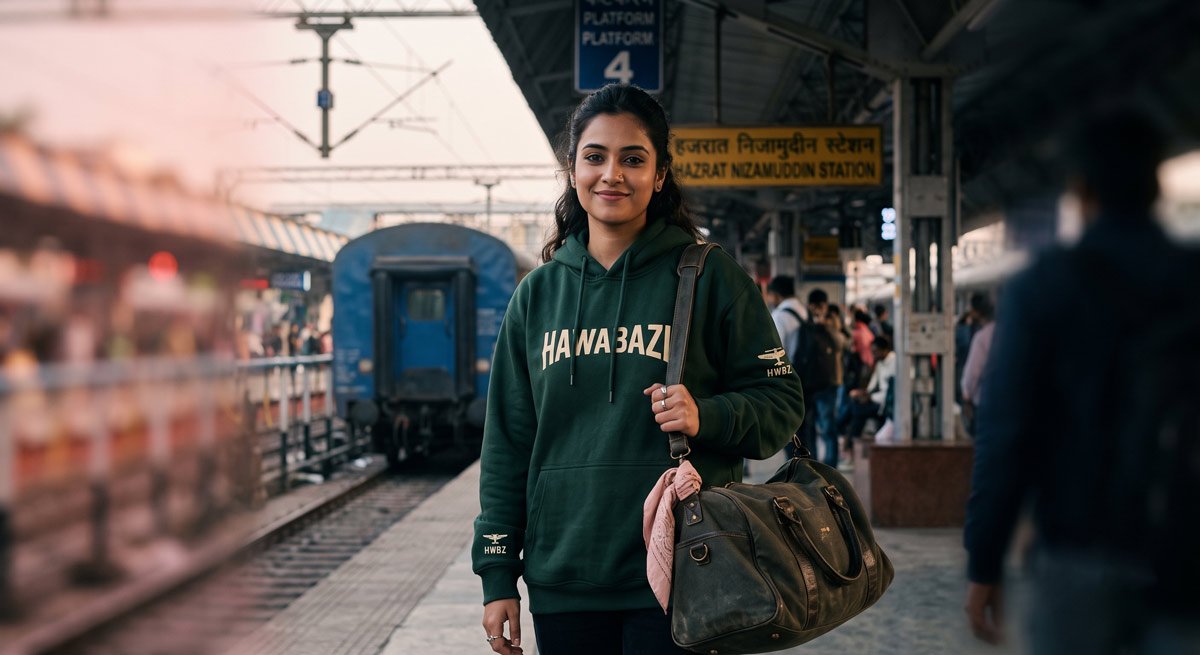
Friday morning, 6 AM. Manish is sitting on the edge of his bed in Vasant Kunj, half a cup of chai going cold on the nightstand, staring at two things laid out on his suitcase: a heavyweight Hawabazi hoodie he wore in Manali last December and a breezy linen shirt he lives in every time a project takes him to Chennai. Same trip. Leaves in three hours. Both are going in, and he already knows the bag will be a mess in dress for different climates.
Table of Contents
This is a scenario that every frequent traveler in India knows too well. This country doesn’t do “one climate.” Rajasthan will bake you, Kerala will soak you, and Spiti will genuinely test whether you own a real jacket. Packing for all of it in one bag feels like a puzzle with no instructions.
So here’s an actual, region-wise breakdown of how to dress for different climates in India, with specific picks that actually make sense for each one.
Why Indian Weather Makes Packing So Complicated
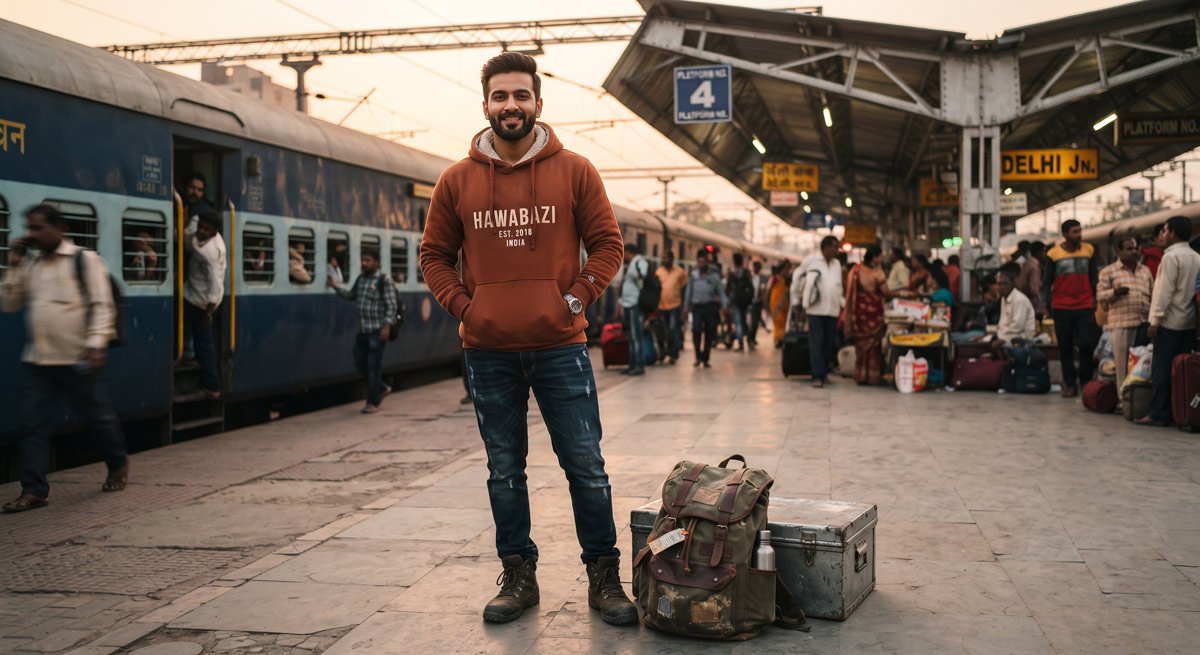
Most countries have one or two seasons to dress for. India has somewhere between five and several hundred, depending on how precise you want to get. That is not an exaggeration; it is just geography at work.
Consider what is actually happening across the map on any given October day. Kolkata is still sweating through post-monsoon humidity. Shimla is already pulling out the woolens. Jaisalmer is bone-dry and blazing by noon but surprisingly cold after sundown. And Chennai? Chennai is doing what it always does: being relentlessly, magnificently hot and sticky in a way that no amount of preparation can fully prepare you for.
This is the core problem with a packing guide for traveling in India that treats the country as one destination. It is not. Coastal Karnataka dresses completely differently from highland Meghalaya. The dry heat of the Thar is a different animal from the wet heat of the Konkan coast.
Understanding how to dress for different climates in India starts with a simple mental reset: stop thinking of it as an “India trip” and start thinking, “Which Indias am I visiting on this trip?”
Once you make that shift, packing actually becomes easier. You stop trying to find one magical set of clothes that works everywhere and start building a climate-smart kit instead. Short checklist of what that mindset shift means practically:
- Know the region type before you pack, not just the city name
- Check whether humidity or dry heat is the variable
- Account for altitude changes if your route crosses hills or mountains
Coastal and Humid Regions: Kerala, Chennai, Mumbai
Coastal cities don’t ease you in. You step off the flight in Chennai or Kochi, and the air hits you like a warm, wet towel, and suddenly every fabric choice you made in Delhi feels wrong. That woolen blend kurta? Forget it. Even your cotton shirt from home feels heavier than it should.
The real enemy here isn’t heat. It’s moisture. Humidity sits on your skin and just stays there, making everything feel damp within twenty minutes of stepping outside.
So when you’re figuring out how to dress for different climates in India, coastal cities demand an entirely different logic:
- Fabric over everything. Pure cotton and linen breathe. Polyester blends, even thin ones, will trap sweat and make a long day miserable.
- Loose cuts win. Fitted clothes stick when you’re humid. Go one size more relaxed than you normally would.
- Light colors matter more than you think. A white or cream tee in coastal July is not just a style call; it’s practical.
Mumbai literally adds another layer to the equation. Air conditioning inside offices can be aggressive, so you’ll want a light layer you can slip on and pull off. A thin Hawabazi sleeveless tee under an open linen shirt handles that shift without making you carry extra weight in your bag.
Pack two or three interchangeable pieces rather than seven separate outfits. Coastal packing is about doing more with less, yaar.

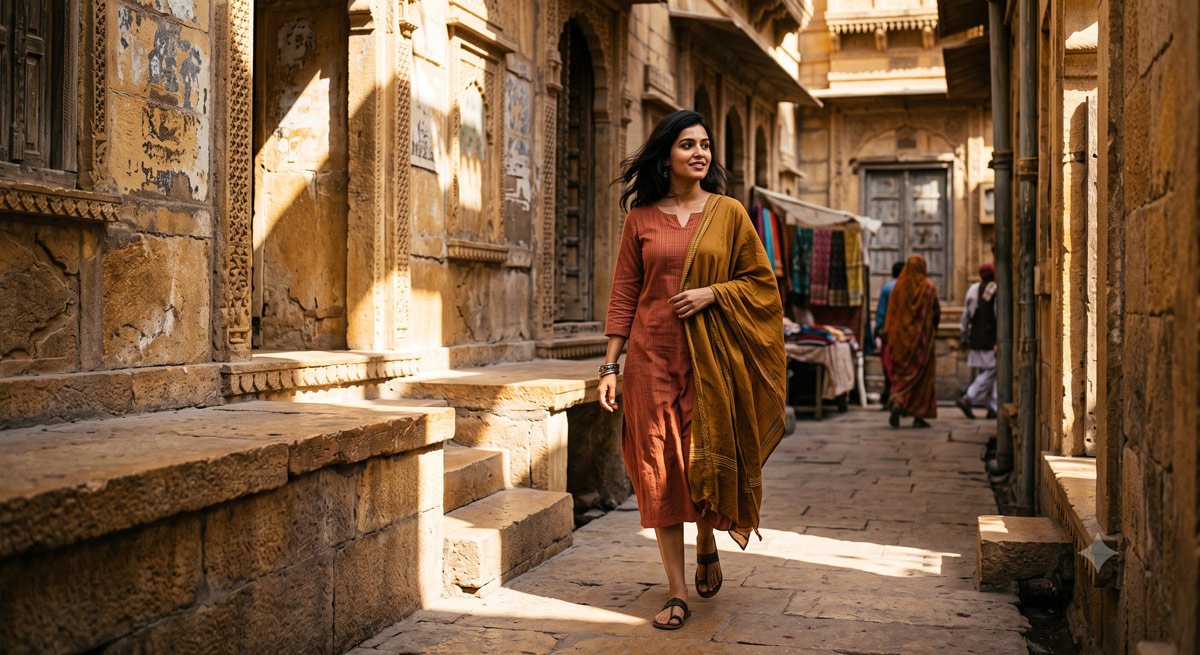
Dry Heat and Dusty Winds: Rajasthan and the Desert Belt
Rajasthan tricks you. People hear “desert” and assume it’s just hotter Chennai, so they pack the same breezy linens and call it sorted. It’s not the same. Not even close.
The difference is in the air. Coastal humidity makes you feel wet. Rajasthan’s dry heat feels like someone left a hairdryer pointed at your face, and the loo winds in May and June carry fine dust that settles into every fold of loose, flimsy fabric. What keeps you comfortable in Kochi will frustrate you in Jodhpur.
So what actually works here? A few things Manish swears by after one too many pink-city client visits:
- Full-sleeve cotton or linen shirts in lighter shades. Counterintuitive, yes, but covering your arms actually blocks direct sun and stops the skin from drying out.
- Hawabazi’s relaxed-fit shirts, available in cream or slate grey, are a great choice. The structure keeps dust from clinging the way a limp tee does.
- Straight-cut trousers over shorts. Dust, sun, and rubbing fabric on bare skin is a miserable combination.
How to dress for different climates in India really depends on understanding what the air is, not just the temperature reading on your phone. Dry heat demands coverage and breathability together, not one at the cost of the other.
One more thing: pack a cotton scarf. Old-school, sure, but nothing else protects your nose, neck, and hair from that afternoon dust better.
Cold Himalayan Zones: Manali, Shimla, Leh
Leh in July sounds like a holiday brochure. There is sunshine, mountains, and that famous blue sky. What the brochure skips is that the temperature can swing from 25°C at noon to near-freezing after sunset, and the wind at 3,500 meters cuts through you in a way that genuinely shocks first-timers.
This region is where dressing for different climates in India stops being about fabric breathability and starts being about layering discipline. One solid layer is never enough up here. You need pieces that stack.
What actually works:
- A thermal inner, not optional, worn under everything
- A mid-layer fleece or full-sleeve tee in a slightly heavier cotton
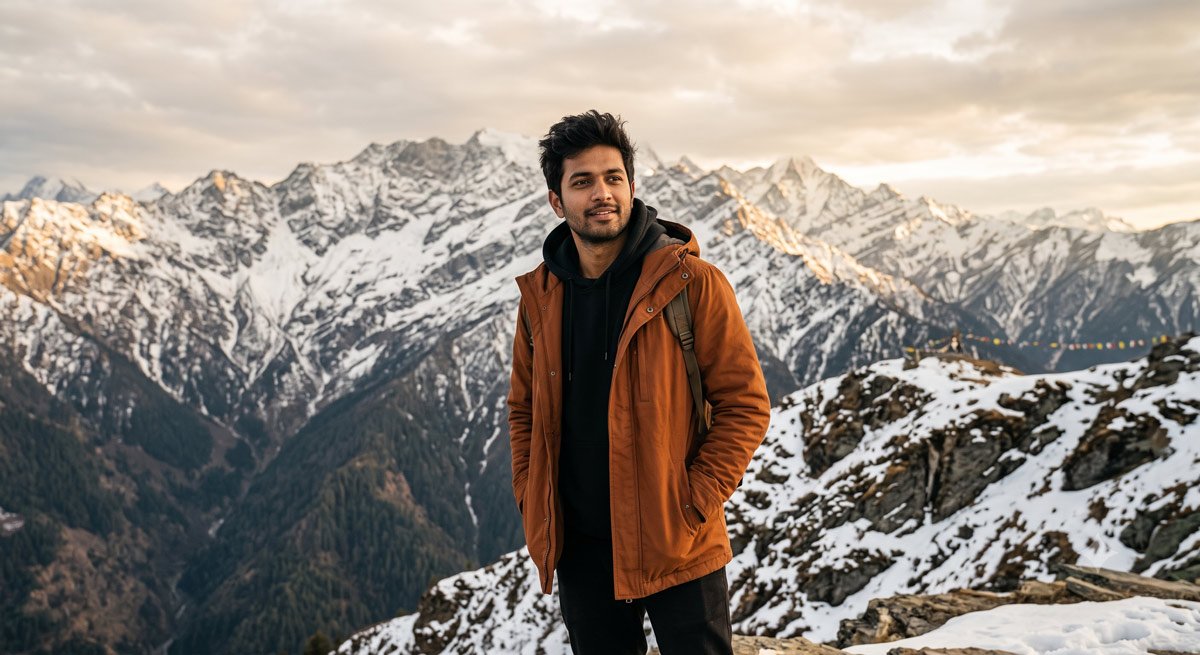
- A Hawabazi hoodie or jacket as the outer shell, something windproof enough to handle that afternoon mountain chill
- A cap, because the sun is brutal at altitude even when you’re cold
Shimla and Manali follow a similar logic, though they are a degree or two warmer in summer. Still, what to wear in different Indian states in the Himalayan belt is a different conversation from the rest of the country. Jeans are fine, actually better than you’d think; they block wind. Light lowers are a mistake you make once.
Pack fewer pieces, but pick them smarter. A Hawabazi heavyweight hoodie pulls double duty as both your evening warmth and your flight-back comfort layer. That’s the move.
Building One Smart Bag for a Multi-Climate Trip
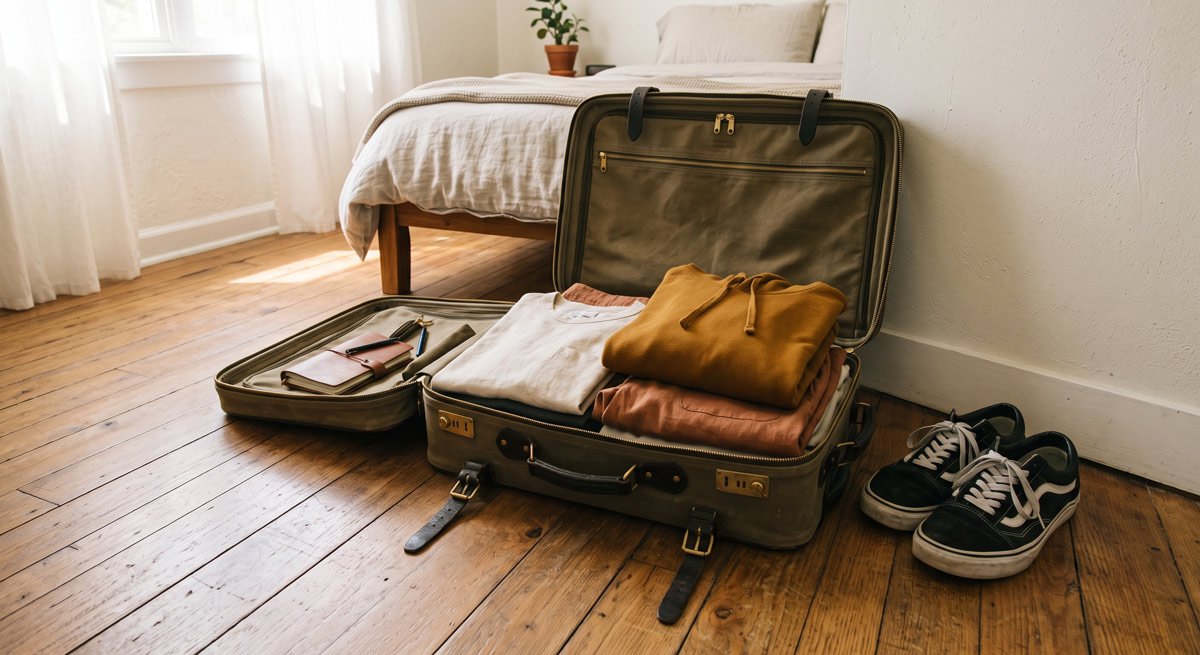
So you’ve read the regional breakdown, noted the fabric logic, and now you’re standing in front of an open suitcase thinking, “How do I actually fit Chennai and Manali into one bag without checking 23 kilos?”
Here’s the honest answer: you don’t pack for each climate separately. You pack for transitions.
The idea is layering intelligence, not volume. Start with a base of breathable, quick-dry pieces that work in humid coastal heat without drama. Hawabazi’s lightweight tees and tank tops are ideal here, fabrics that don’t cling or go translucent the second you sweat. These are your non-negotiables regardless of where the trip ends.
Then think about what converts easily:
- A mid-weight Hawabazi zip hoodie that’s thin enough to stuff into a side pocket but actually earns its weight in Leh evenings or an over-chilled Bengaluru office
- Two to three darker-toned bottoms in slate or onyx that don’t show travel dust (Rajasthan will test this)
- One packable jacket if the itinerary includes any Himalayan stops
The trap most people fall into is packing only for the coldest day, then suffering through three days of sweating in Kochi. Dress in layers you can genuinely remove and carry. That’s the whole system.
Knowing how to dress for different climates in India really comes down to this: fewer pieces, smarter combinations.
Pack Once, Go Anywhere in India
Honestly, India koi ek country nahi hai when it comes to weather. It’s like five countries packed into one map, so your wardrobe needs to keep up. Manish from Connaught Place, heading to Chennai in July and then Shimla the same week, knows exactly what we’re talking about.
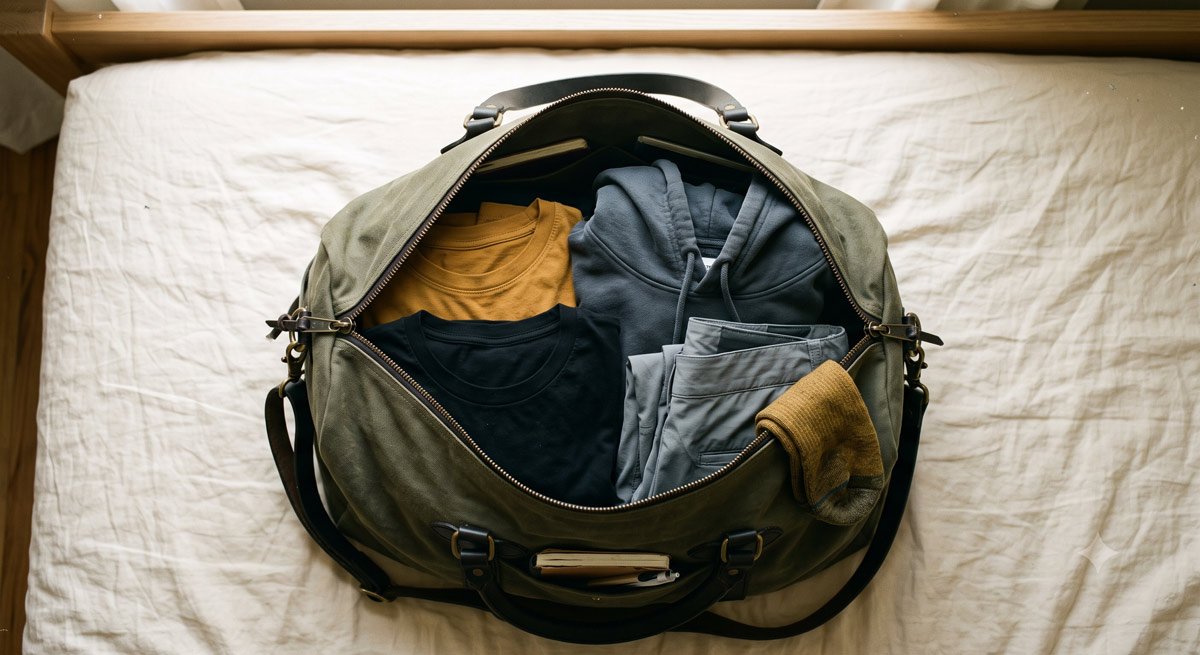
But here’s the thing: knowing how to dress for different climates in India stops being stressful the moment you actually sort your basics. A breathable tee that handles Kochi’s humidity. A hoodie that earns its place in a Kasauli evening. Clothes that travel as hard as you do.
That’s what Hawabazi is here for. Not a gimmick, not a trend. Just well-made pieces that work across the map, whether you’re sweating through a client meeting in Pune or layering up in Leh.
So next time you’re packing for a multi-city trip, give the suitcase chaos a break. Check what’s new at hawabazi.shop, pick your climate, and pick your fit.
Apni hawa banao, chahe kaheen bhi jao.
ApniHawaBanao #Hawabazi #IndiaTravel #TravelFashionIndia #PackingForIndia #IndianClimate #MensFashionIndia #DesiStyle #FrequentTraveller #TravelOOTD #IndianWeather #StyleIndia #WardrobeEssentials



 No products in the cart.